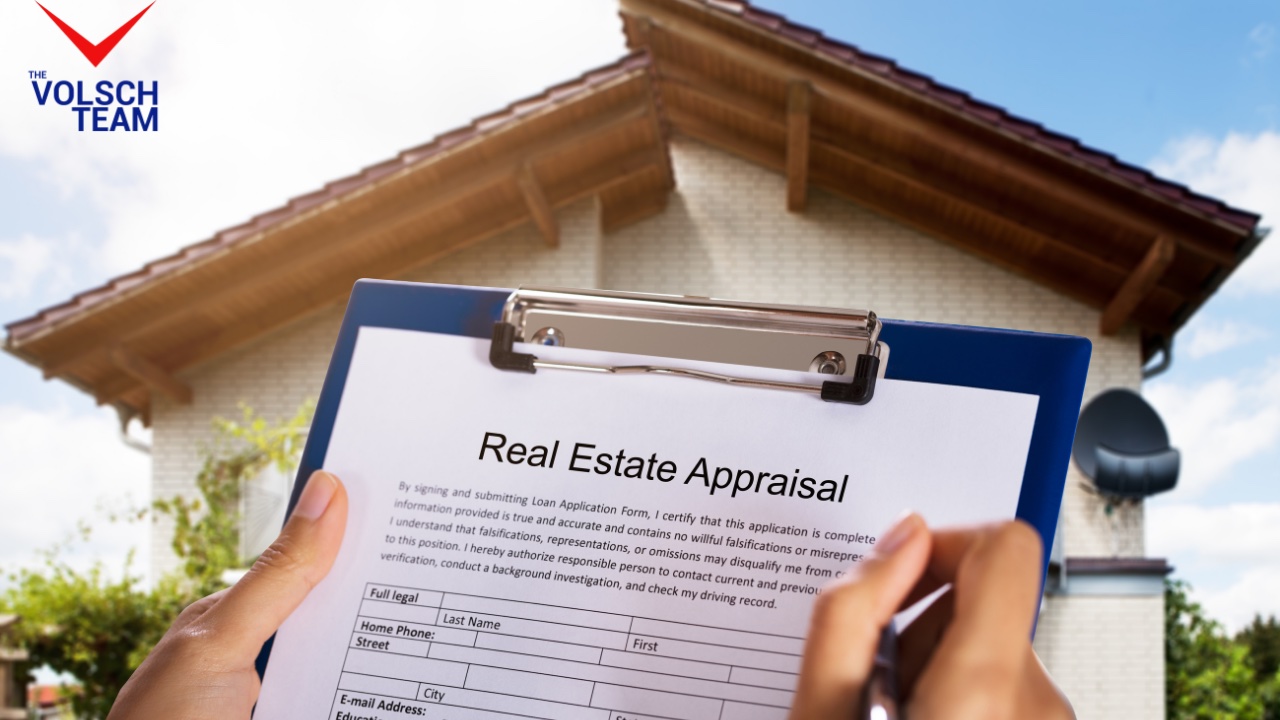
You are currently viewing What is an estate appraisal

What is an estate appraisal

A probate case requires the decedent’s, the person who’s passed away, property to be appraised in order to determine the market value of the decedent’s home as of the date of death. The reason for this is that the probate court needs to have an idea of the home’s value. You must go through the process if a loved one leaves a will with enough property to warrant the full probate process.

Also, if there isn’t a will someone will need to be appointed to be the administrator of the estate. If the total value of the estate is less than $150,000 then you generally will not need to go through probate in California.

All property should be appraised for its cash value with the exception of less expensive items, such as those that could be sold at a yard sale. An inventory of estate assets includes non-cash assets and cash assets. Non- cash assets, such as real estate, vehicles, and jewelry should be professionally appraised to determine the cash value of each of those items.

Who completes the property appraisal?

The person that does an appraisal on the house is known as the probate referee.

In California, the probate referee, will be the person to evaluate the non-cash assets of the estate. Probate referees are appraisers that are qualified by undergoing strict educational and testing requirements. They are appointed by the California state controller’s office for each county in California. I imagine you’re wondering what does an appraisal involve?

Your probate attorney will file documentation to get a probate referee assigned to the case. When the personal representative, the executor or administrator, is appointed by the probate court, the probate court will also designate the specific probate referee that should be used for that particular state. The probate referee must be used in most circumstances, but his or her services are not free! Instead, the fees will be 1/10 of 1% of the value of the property that is appraised by the referee.

The probate referee typically drives by the house, rarely do they view the interior. Your referee will research comparable homes within about a half a mile or so of the decedent’s home and come up with a date of death market value. The last thing to share is that a probate sale must be within 90 percent of the probate referee’s appraisal.

What that means to you, as an example, is if the property value is $600,000 the home would not be able to sell for less than $540,000.

For more information regarding an estate appraisal or other real estate questions, give me a call at 760-912-8905. I am here to guide, lead and protect you through the probate process.

Charlotte Volsch

What’s the right way to handle an inherited property—renovate, list, or sell it as-is? I am Charlotte Volsch, an Estate Property Advisor and Probate & Trust Real Estate Specialist helping attorneys, executors, and families make clear, confident decisions when selling inherited homes. I help attorneys, executors, and families navigate inherited property decisions throughout the Inland Empire and High Desert of Southern California, including Apple Valley, Victorville, Hesperia, Rancho Cucamonga, Redlands, Loma Linda, Fontana, and surrounding communities. Over the course of my career, I have completed 774+ real estate transactions across 24 years, including more than 230 probate and trust property sales. For the past 16+ years, I have focused specifically on estate property situations, working alongside probate and trust attorneys, fiduciaries, and their clients to guide each case from evaluation through sale. Many families are unsure what to do with an inherited home—whether to invest in repairs, list it traditionally, or sell it as-is. Without a clear strategy, estates can make costly mistakes such as over-improving a property, underpricing it, selecting the wrong sale method, or facing delays that impact timelines and estate objectives. I help evaluate those decisions early, so attorneys and their clients can move forward with clarity, avoid unnecessary risk, and choose the most appropriate path based on the property and the situation. I work directly with attorneys and their clients to determine the best path forward, whether that involves preparing a property for the retail market or facilitating a direct sale through a network of qualified investors. For properties that require repairs, may not qualify for traditional financing, or are best suited for as-is sale, I provide access to a network of more than 50 active real estate investors. Over the past 12 months, I have closed 68 transactions, reflecting consistent production and experience navigating changing market conditions. I guide each case using the C.A.L.M. Method: C — Clarify We identify what matters now versus what can wait. A — Align We define priorities—legal, financial, and personal. L — Lead I guide each step in the proper order to avoid delays and unnecessary complications. M — Move Forward Clients proceed with clarity and confidence. I am the Broker Owner of The Volsch Team at Volsch Enterprises, Inc., and hold certifications in Probate Real Estate through the National Association of Realtors (NAR) as well as Certified Probate Real Estate Advisor (Probate Biz). If you are an attorney handling probate or trust matters—or assisting a client with an inherited property—I’m available as a resource to help evaluate the best path forward.